
Progressive cavity pump and high temp oil pump applications for industrial efficiency
In the world of industrial fluid management, the selection of pumping equipment is rarely a matter of one-size-fits-all. Engineers and facility managers responsible for fluid transfer systems often face the challenge of moving viscous, shear-sensitive, or high-temperature media through complex piping networks. Among the various technologies available, the progressive cavity pump stands out as a critical tool for demanding applications where precision and durability are non-negotiable. When these systems are designed to manage heat effectively—functioning as a specialized high temp oil pump—they become the backbone of reliable refinery and manufacturing operations.
Understanding why these pumps are selected requires a look at both their mechanical design and the physical nature of the fluids they transport. Whether you are dealing with heavy crude, lubricating oils in a thermal management system, or viscous petrochemicals, the synergy between pump architecture and fluid characteristics determines the overall success of the operation.
The Mechanical Advantage of Positive Displacement
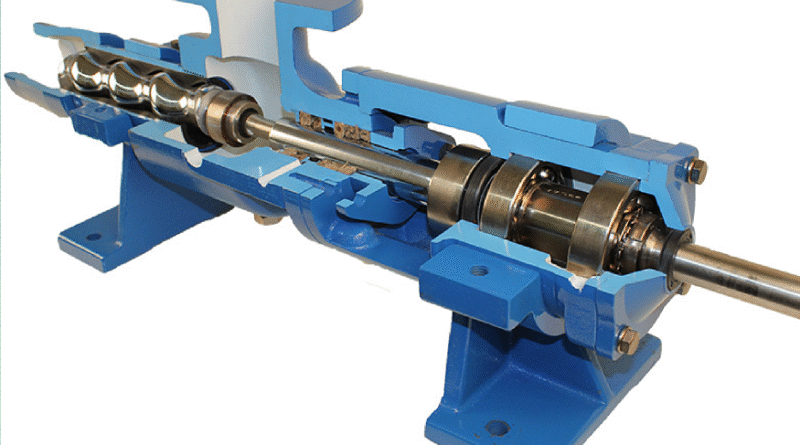
At the heart of the design is a unique positive displacement mechanism. Unlike centrifugal pumps, which rely on kinetic energy to accelerate fluid, a progressive cavity pump utilizes a helical rotor rotating inside an internally threaded stator. As the rotor turns, it forms a series of sealed cavities that carry the fluid from the suction side to the discharge side.
Read More: How to Safely Handle Cracked Glass Windows Before Professional Repair in Athens AL
This design offers two distinct advantages for complex fluid handling:
- Constant Flow Rate: Regardless of discharge pressure, the flow remains remarkably consistent. This makes it an ideal choice for metering applications where precise dosing of additives or lubricants is required.
- Low Shear Force: Because the fluid is moved within discrete cavities rather than being agitated by high-speed impellers, the process is incredibly gentle. This prevents the degradation of long-chain polymers or the aeration of sensitive oils, which is a common failure point in less specialized pumping equipment.
When these units are configured as a high temp oil pump, the materials of construction must be carefully matched to the thermal environment. Standard elastomers used in the stator may fail at high temperatures, necessitating the use of specialized fluorocarbon rubbers or metal-to-metal seals that can withstand the intense heat profiles found in heavy industrial processing.
Managing Thermal Expansion in Industrial Systems
Operating a high temp oil pump presents a specific set of engineering hurdles. As fluid temperatures rise, the viscosity of the oil often drops significantly, which can reduce the lubricating film between the rotor and the stator. Furthermore, thermal expansion can cause tight-tolerance components to seize if the design does not account for specific heat expansion coefficients.
To maintain operational integrity, systems must incorporate several key safeguards:
- Custom Rotor Geometry: Rotors must be machined with specific clearances to account for the physical expansion that occurs when the pump reaches its operating temperature.
- Material Selection: The choice between cast iron, stainless steel, or specialized alloy housing depends on the corrosive nature of the hot oil and the pressure requirements of the facility.
- Thermal Barrier Technology: Protecting the mechanical seals and bearings from the hot process fluid is essential. Many modern configurations utilize cooling jackets or heat-dissipating external housing to ensure that the drive end remains cool while the pump end handles the elevated temperatures.
Why Facilities Choose This Technology for Viscous Fluids
Efficiency in fluid handling is often measured by the ability to maintain performance despite fluctuating viscosity. Cold, high-viscosity oil acts very differently than the same fluid when it reaches its design temperature. A progressive cavity pump handles this transition with ease. Because it is a positive displacement machine, it can move highly viscous fluids at low speeds, which minimizes wear and reduces the energy footprint of the entire system.
In environments where fluids must be transported over long distances—such as between storage tanks and processing units—the self-priming capability of these pumps provides a significant operational edge. They are capable of handling high suction lifts and can move fluids containing solid particles, which would frequently clog or erode the internal components of a centrifugal pump.
Best Practices for Maintenance and Longevity
The longevity of a progressive cavity pump is directly tied to the rigors of the maintenance schedule. Because these pumps are often integrated into continuous-duty processes, unexpected downtime can result in significant financial losses.
Monitoring Wear Patterns
The interface between the rotor and the stator is the primary wear surface. In a high temp oil pump, monitoring the performance of the seal is the most important preventative measure. A leak at the seal is not just a housekeeping issue; it is a sign that the thermal barriers are being compromised.
The Importance of Variable Frequency Drives
Integrating a variable frequency drive (VFD) allows operators to fine-tune the pump speed based on real-time demand. This is particularly beneficial for thermal management systems where flow requirements might change based on the ambient environment or process load. Slowing the pump down when peak flow is not required drastically extends the lifespan of the stator and the motor.
Lubrication and Bearing Health
Since high-temperature applications create a hostile environment for lubricants, the bearing housings must be inspected regularly. Synthetic lubricants with high viscosity indices are typically recommended for the drive end, as they maintain their protective properties even when the ambient heat from the pump begins to radiate.
Selecting the Right Equipment for Your Process
When evaluating a pump for a specific industrial application, the decision-making process should be data-driven. Start by defining the thermal limits of the operation. Is the high temp oil pump intended for a consistent duty cycle, or will it experience frequent thermal cycling? Thermal shock—the rapid heating and cooling of the pump assembly—can be even more destructive than consistent high-temperature operation.
Next, consider the chemical compatibility of the fluid. Hot oils can be aggressive toward certain materials, particularly when additives are present to improve performance or prevent oxidation. Always verify that the stator material is chemically rated for the specific oil grade you are moving.
Finally, consider the structural requirements of the installation. A progressive cavity pump is a robust machine, but it requires a rigid foundation to ensure alignment between the motor and the pump head. Proper grouting and the use of flexible couplings can prevent the vibration that often leads to premature mechanical seal failure.
Future-Proofing Your Fluid Handling Strategy
As industrial standards move toward greater energy efficiency and reduced environmental impact, the demand for high-performance pumping technology is only increasing. The reliability of a well-maintained system serves as a competitive advantage, reducing the frequency of emergency repairs and ensuring that production schedules remain on track.
By selecting a progressive cavity pump designed for your specific thermal and viscous requirements, you are investing in a proven technology that minimizes waste and maximizes throughput. Whether you are upgrading an existing production line or designing a new facility from the ground up, focusing on the mechanical precision of your pumping systems is one of the most effective ways to optimize industrial fluid handling.
Read More: Tips to Choose the 2 Bedroom Apartments for Rent
Reliability in these critical components starts with an understanding of the physics at play and a commitment to rigorous, proactive maintenance. With the right technical approach, you can ensure that your fluid management remains efficient, safe, and consistent regardless of the temperature extremes involved.