
The Hidden Rules of Planning a Meaningful Memorial Service
When someone close to you passes away, you are forced to make roughly seventy decisions in less than twenty-four hours. You are exhausted, grieving, and completely unprepared for the financial machinery that immediately starts turning.
Most people simply accept whatever standard option is handed to them in a hospital hallway or mortuary office. But jumping into a fixed Funeral Package without asking three basic questions often leads to overspending on items nobody wants. If you take a step back and understand how funeral pricing is structured, you can create a farewell that honours your loved one without destroying your family budget.
The Guilt Trap in Grief Planning
The funeral industry relies on a subtle psychological phenomenon known as grief purchasing. When you are standing in a showroom, decision fatigue sets in quickly. A coordinator points to a polished hardwood casket priced at five thousand dollars, then points to a basic pine box priced at eight hundred dollars.
Read More: How to Choose the Right Branded Handbags for Every Event, No Matter What The Situation Is.
The unspoken question hovering in the room is obvious. Do you love your parent enough to buy the better option? Most families fall for this emotional trap because they mistake spending money with showing respect. They upgrade every line item out of fear that choosing the practical option makes them look cold or uncaring.
The reality is that grieving families rarely remember the silk lining of a casket or the floral arch at the entrance. What they remember is whether the atmosphere allowed them to share stories, cry together, and say goodbye peacefully.
Understanding the Casket Trade Off
Here is a non-obvious trade-off that most standard guides never explain. Most families assume that paying top dollar for a high-end casket is necessary for a dignified viewing. They believe the casket is the focal point of the entire service.
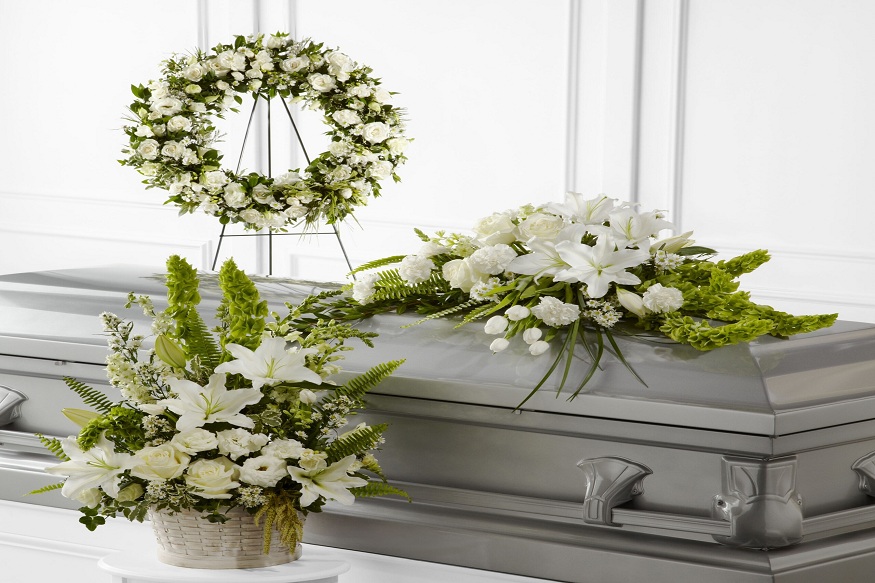
The real answer is to rent a casket shell or choose a clean, simple casket and invest in a high-quality pall fabric to drape over it. If the body will be cremated, spending four thousand dollars on polished mahogany that will be destroyed in two hours is an unnecessary waste of capital.
By opting for a basic structural container covered by a rich, elegant cloth cover, you achieve the exact same aesthetic dignity during the viewing. You save thousands of dollars that can be redirected toward host catering or a memorial donation in your loved one’s name.
The Three Line Decision Rule
To avoid getting overwhelmed by dozens of optional add-on fees, apply a simple decision rule before signing any agreement. Every expense must satisfy at least two of these three lines:
- Does this purchase directly comfort the surviving family?
- Does this detail reflect a genuine passion or story of the deceased?
- Will anyone notice or remember this detail in thirty days?
If an item fails this test, cut it immediately. Standard add-ons like printed custom bookmarks, limousine escorts, and elaborate imported flower arrangements almost always fail this rule. They add thousands to the invoice without adding a single grain of emotional value to the actual gathering.
Real Cost Breakdown of Two Options
Consider a real-world example of two families planning a three-day wake. Family A takes the standard recommended package without reviewing individual line items. Family B uses an itemised approach based on what actually matters to them.
Family A pays twelve thousand dollars total. Their bill includes four thousand dollars for an ornate casket, two thousand dollars for premium flower arrangements, fifteen hundred dollars for customized stationery, and three thousand dollars for venue hire and logistics. They leave the process feeling financially strained and emotionally drained.
Family B spends six thousand five hundred dollars. They select a clean twelve hundred dollar container, use five hundred dollars of favourite seasonal blooms, skip printed materials entirely in favour of a digital photo display, and spend two thousand dollars on quality food for guests. The atmosphere is warm, personal, and entirely focused on connection rather than expensive props.
How to Personalise Without Overspending
Personalisation does not require expensive customized merchandise. The most memorable services are almost always created using simple elements you already own.
Instead of paying a coordinator to print elaborate memorial books, set up a simple digital screen displaying family photographs from past decades. Instead of buying expensive ceremonial arrangements, ask guests to bring a single flower from their own garden to place around the venue.
When you shift your focus from purchasing items to facilitating memories, the total cost drops dramatically while the emotional resonance increases. You give people a chance to participate actively rather than sitting passively in a formal room.
Navigating end-of-life decisions is one of the hardest tasks you will ever face, but you do not have to let emotional stress dictate your choices. By separating respect from expense, questioning standard options, and focusing on genuine human connection, you can plan a farewell that feels deeply personal and financially responsible. Take a breath, ask the right questions, and focus on creating a space where love and memory take centre stage.